
Spoiler: This review contains spoilers for Liar Game, Episode 1 “The Legendary Con Artist,” streaming now on Crunchyroll
If I could sum up the first episode of Liar Game in one sentence, it would be, the stupidly honest gets stupidly conned.
Liar Game, written and illustrated by Shinobu Kaitani, ran from February 2005 to January 2015. It’s not an easy feat to have a series run for that long which speaks to how popular it was and still is, considering we have an anime adaptation for it.
But that’s the crux of the matter.
We’re in 2026 now, making it more than 10 years since Liar Game manga ended. Times have changed and people’s thresholds for what makes an anime good have shifted. Had Liar Game aired back in 2015 or better yet, sometime during its run, it would’ve had a stronger impact than it does now.
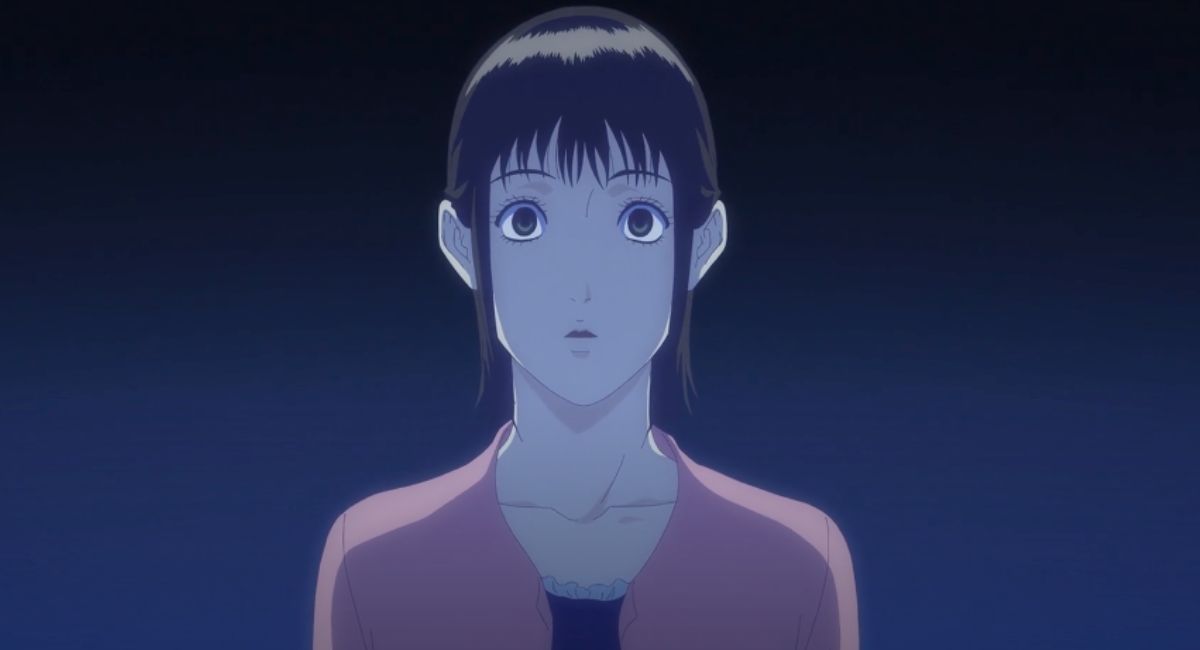
In the first episode of Liar Game, we meet our protagonist, the unusually naive and honest college student Nao Kanzaki. This girl is so honest that she even turned in a 100 yen coin she found on the street to the police station. Less than two minutes of show runtime later, she receives a letter and a suitcase full of money, equaling to 100 million yen. Nao has been selected to participate in the Liar Game.
This tournaments pits contestants against each other where the objective is to take your opponent’s money by any means necessary–through cheating, lying, betraying and so on and so forth. Participants have 30 days to get their opponent’s money and whoever has more money by the end of the month wins. Those who have lose their money will have to bear a debt proportional to that lost which means someone could potential be 100 million in debt.
Nao’s first opponent is someone she’s familiar with: a former teacher named Kazuo Fujisawa who treated her very kindly when she was his student. It doesn’t take long for her trust him–and even quicker for him to cheat her out of all of her money by telling her he’ll keep both of their cash “safe” by putting it in his safety deposit box.
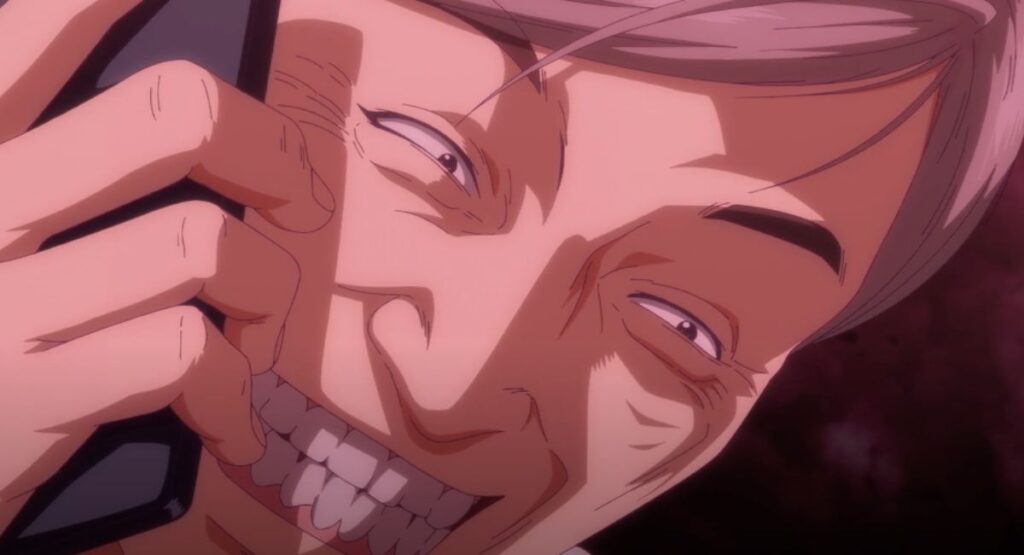
I’m sure many people, like me, were screaming at Nao: “How could you be so stupid, you idiot?!” She doesn’t hesitate to doubt Fujisawa for a second even though he was so obviously lying. On some level, I understand why. With her father in the hospital, Nao has been on her own and her teacher seemed to be one of the few people who knew about her family situation. She’s scared and anxious because who wouldn’t be when you have a stack of cash in your house? Why wouldn’t you give your money to a trusted adult?
Well, because you’re not a child anymore. You’re an adult and you should be able to think for yourself.
In the past few years, I’ve seen my fair share of characters who are kind to a fault like Furuba‘s Tohru, Demon Slayer‘s Tanjiro, My Happy Marriage‘s Miyo. But Tohru and Miyo’s innocence and naivety don’t come off as annoying because of the genre that they’re in; unfortunately, romance stories tend to lean heavily on the trope of the “dumb but kind” female protagonist who the “cold but secretly warm” male protagonist falls in love with. But Liar Game is set up to be a tournament centered around strategy and cunning, and Nao, with her personality, would get eaten alive out there. It becomes hard to root for her when half of your brain is going, “If you’re this stupid, you deserve to get scammed.” The latter two series also had the benefit of having stellar animation which made the watching experience more enjoyable.
Luckily, Akiyama–maybe moved by Nao’s gullibility, maybe feeling a little sorry for her, or maybe it was her declaration that all she wanted was to get her money back that convinced him–agrees to help her and the first episode ends on a cliffhanger with the two concocting a plan to help Nao get her money back.
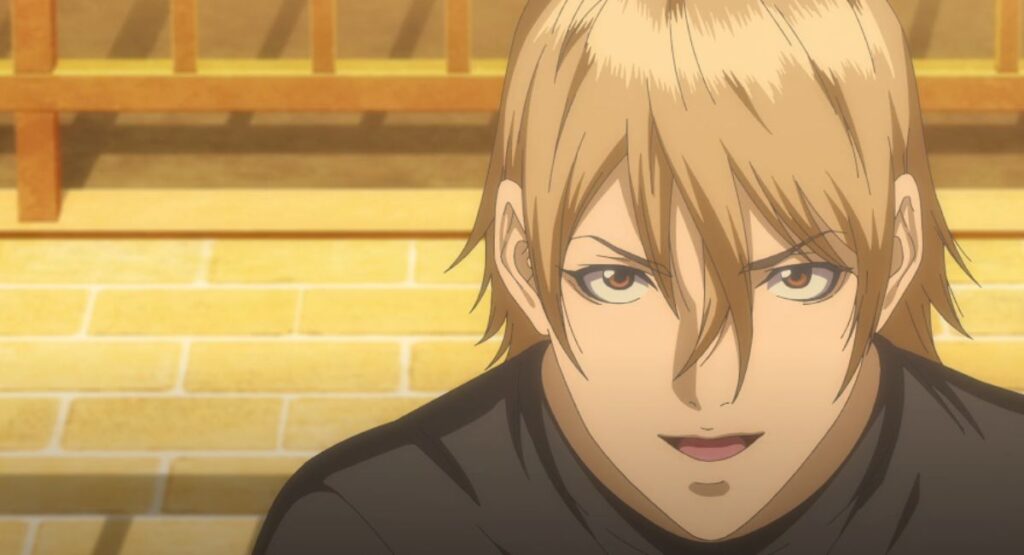
With the pairing up of Nao with genius conman Shinichi Akiyama, Liar Game seems to be setting the story up to tell two things: one, honesty and trust aren’t bad values to have; and two, you can’t be stupidly honest and stupidly trusting. Akiyama’s pragmatism and suspicion will conflict–and complement–Nao’s naivety, leading to a winning partnership.
I was disappointed at the animation quality from Madhouse. Perhaps it’s a reflection of the era the manga was written in, but the colors are flat and some of the movements felt oddly stilted. That being said, Saya Hitomi and Takeo Otsuka’s performances were great as Nao and Akiyama; Hitomi sounded genuinely earnest and Otsuka had the right amount of casual coldness without sounding like he did not care.
As ridiculously goofy Fujisawa was set up to be, I think he was meant to be a villain out of cartoon for the purpose of lulling Nao and the viewers into a sense of “safety” where they think it’s a game. I doubt the next villains will be as absurd as him which means we’ll see more of Nao and Akiyama’s gameplay.
Discover more from Redbeanime
Subscribe to get the latest posts sent to your email.